Type in a search word
What are you looking for

VMG Lignum: From Lithuania to Down Under
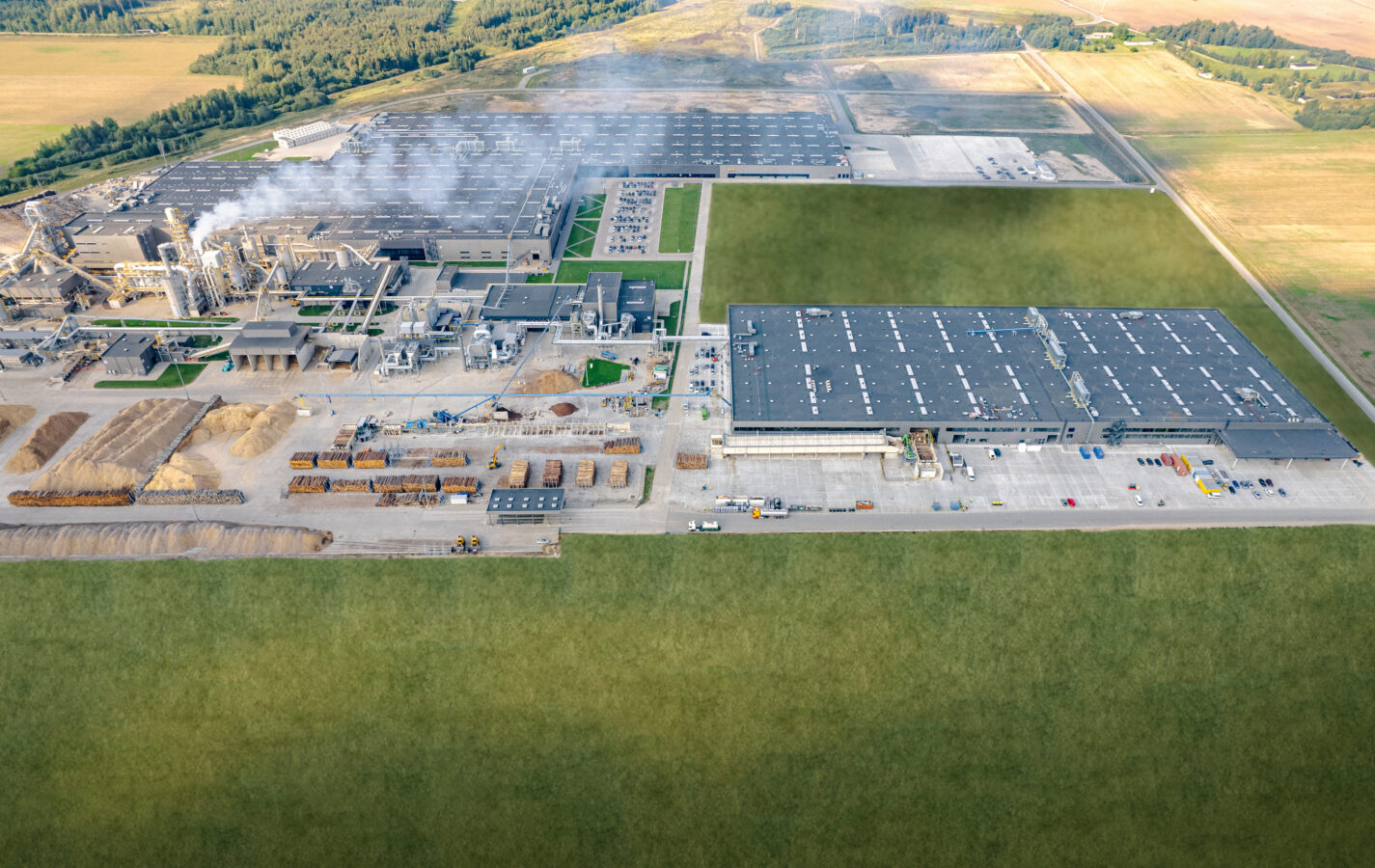
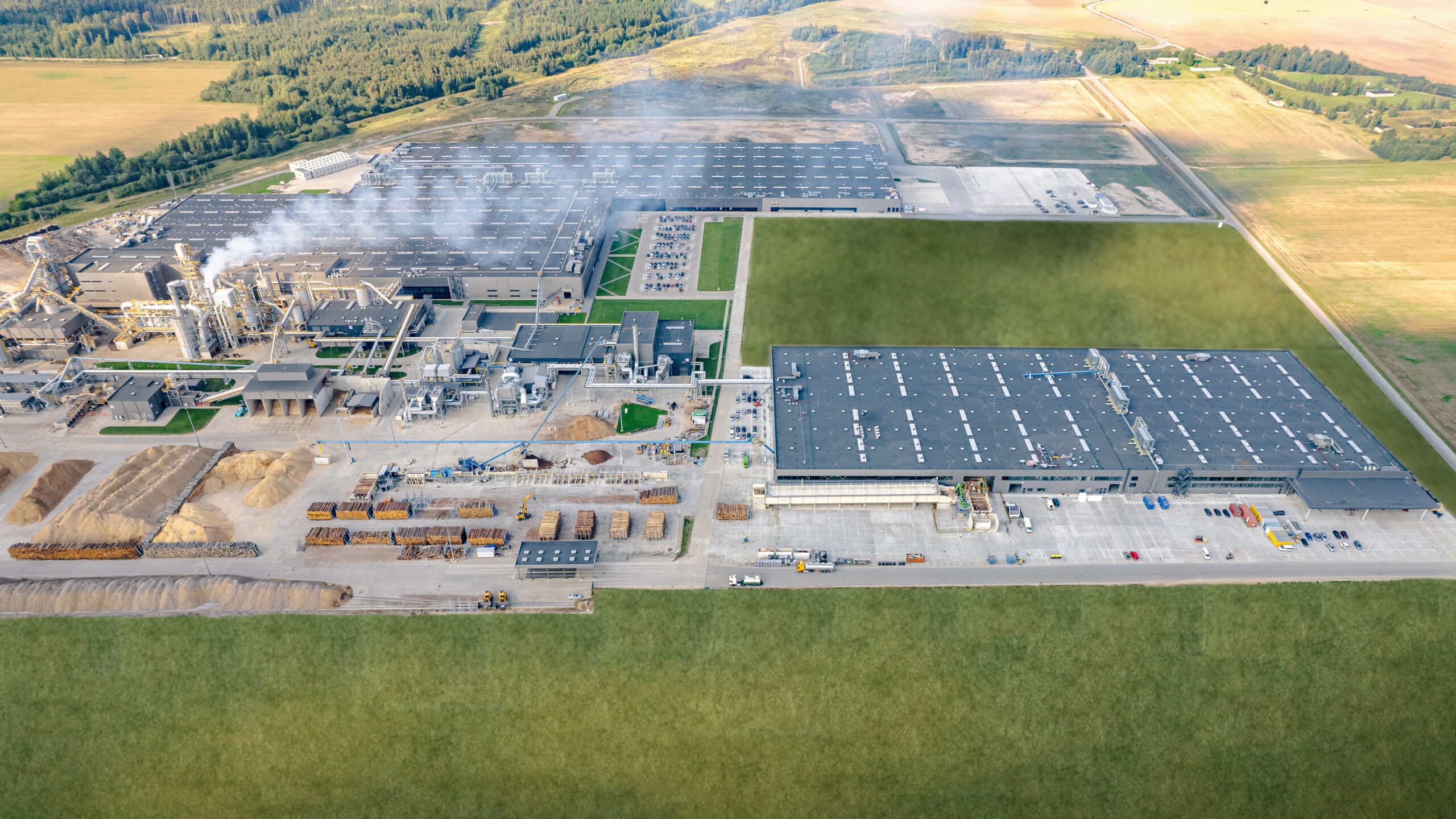
Since commissioning its production site in Akmene/LT, VMG Lignum has become one of Lithuania’s leading wood-based panel manufacturers. In an interview with Holzkurier editor Jakob Wassermann, VMG Lignum CEO Ramunas Grudis shares insights into the company’s sales markets, the opportunities and challenges they present, and one of the latest additions to its portfolio.
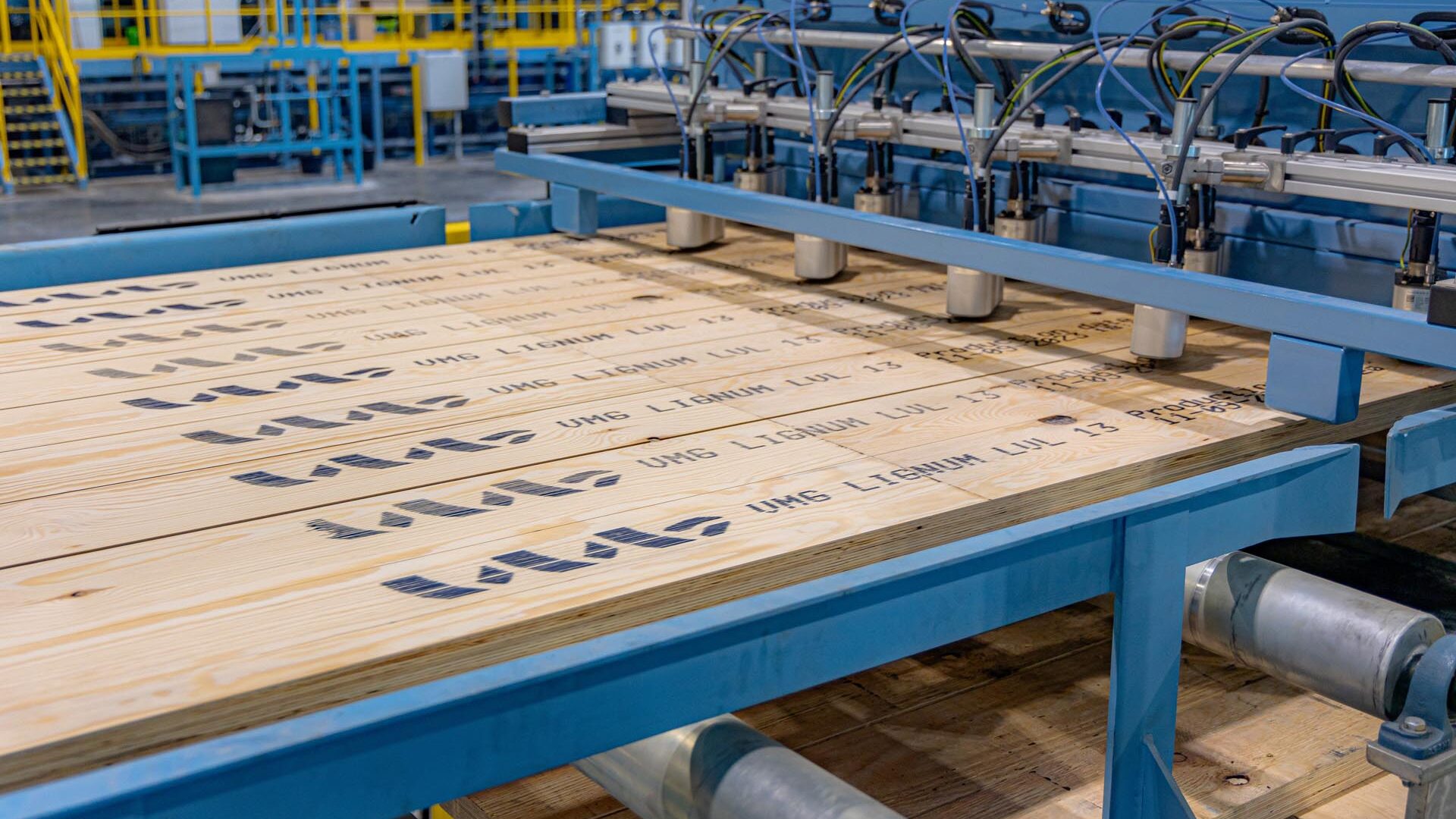
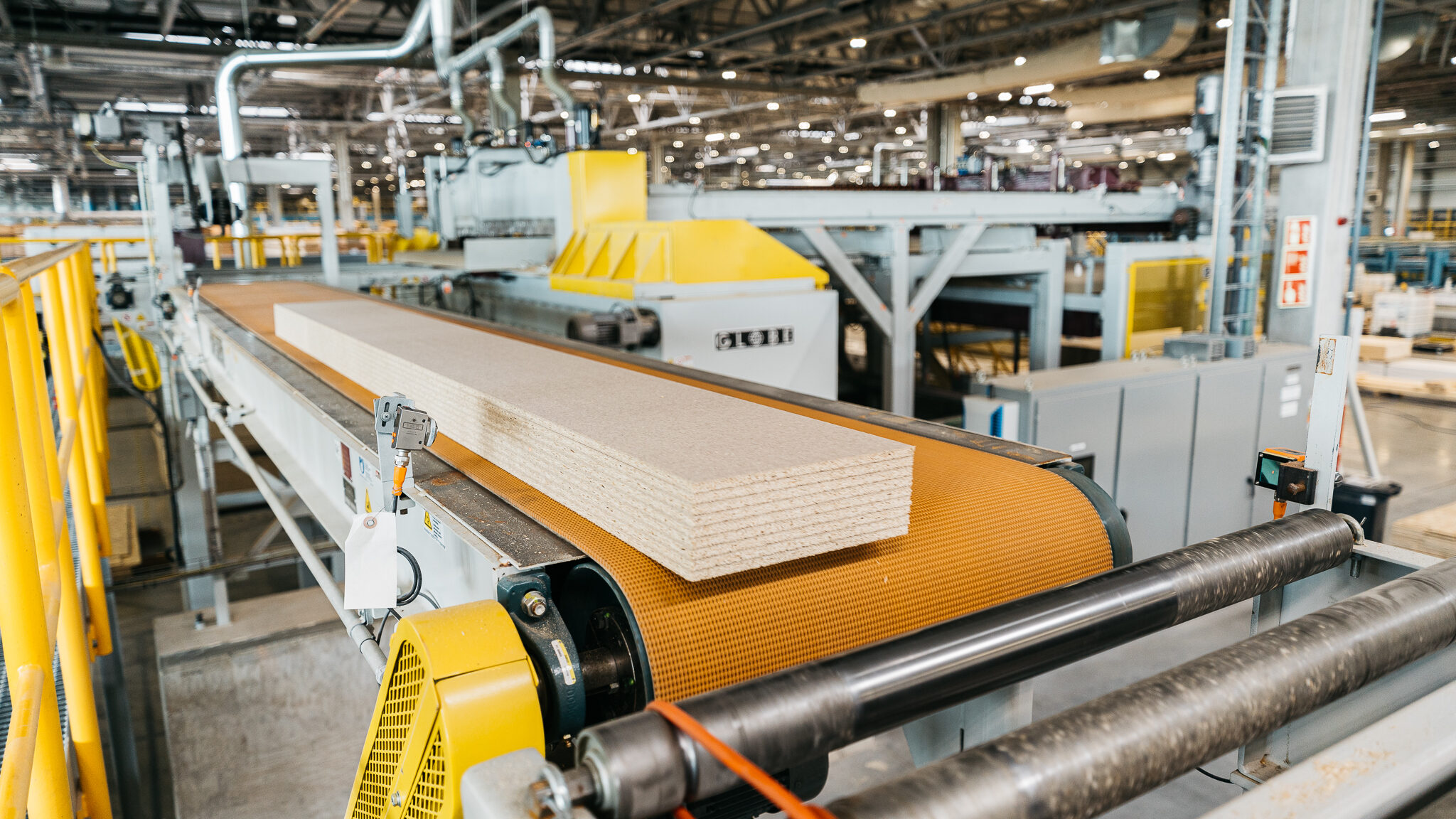
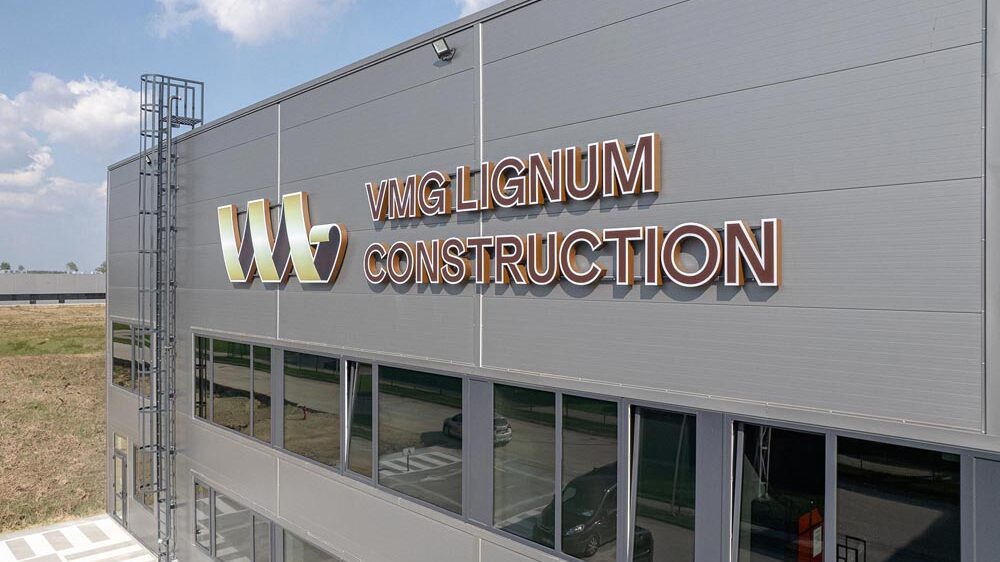
Three years have now passed since VMG Lignum, a subsidiary of the VMG Group investment group, invested €120 million in the construction of a combined production site. In Akmene, the company has since been producing laminated veneer lumber (LVL), particleboard for structural applications and I-joists. Ramunas Grudis, CEO of VMG Lignum, puts production capacity at 120,000 m³/year of LVL, 200,000 m³/year of structural particleboard and 15 million running metres/year of I-joists.
SUBSTITUTION OF STEEL COMPONENTS
“We have mainly spent the past few years ramping up production and fine-tuning our technical and organisational processes. The focus is now clearly on further expanding our sales structures,” Grudis tells Holzkurier. In addition to its site in Akmene, VMG Lignum operates a furniture production plant in Poland. Traditionally, chairs for a Scandinavian furniture retailer were produced there, with annual output of up to 1.4 million units. “Since the LVL plant went into operation, the focus has increasingly shifted towards substituting steel components in furniture,” Grudis explains.
CHALLENGING FIRST HALF-YEAR
The year to date has also been challenging for VMG Lignum. According to Grudis, the war in Iran in particular, together with the related geopolitical uncertainty, had a negative impact on the Lithuanian company’s sales markets. Besides Europe, VMG Lignum is active in North America and Australia, especially with LVL and I-joists. Grudis is more optimistic about the second half of the year.
LOCAL TO REGIONAL
VMG Lignum operates globally, particularly with LVL and I-joists, and serves markets around the world. Grudis sees especially strong market potential in Australia: “With a population of around 27 million, annual LVL demand is about 350,000 m³/year. That is only slightly less than in the entire EU, with around 450 million inhabitants.” If the three-month transport time is disregarded, freight costs are also lower than shipping by truck to Central Europe. “We now have dealers in all metropolitan centres in Australia. Because of direct competition with Chinese producers, there is enormous price pressure here,” Grudis says, adding: “We are trying to stand out through the high quality standards we can offer thanks to our modern machinery.”
With annual LVL consumption of more than 2 million m³, the US market also offers huge potential, but also high barriers to entry for LVL sales. “Since February, we have had the necessary approvals in the US and are now in the process of building and intensifying customer relationships. However, gaining a foothold alongside established producers is challenging. The same applies to Canada,” explains the VMG Lignum CEO.
In Europe, Grudis sees major potential for LVL applications, especially in the prefabricated house industry. On the one hand, the higher strength values allow lower material use. On the other, the material scores with improved dimensional stability due to its higher degree of homogenisation.
The situation is different in the particleboard sector, where VMG Lignum is active exclusively in the Baltic states and Poland. “This product is very price-sensitive, and transport distances of more than 700 km are no longer economically viable.”
The pine logs processed in Akmene come 93% from Lithuania, with the remaining volumes sourced from neighbouring Latvia. “Our procurement radius is 100 km,” Grudis explains.
NEW SYSTEM SOLUTION DEVELOPED
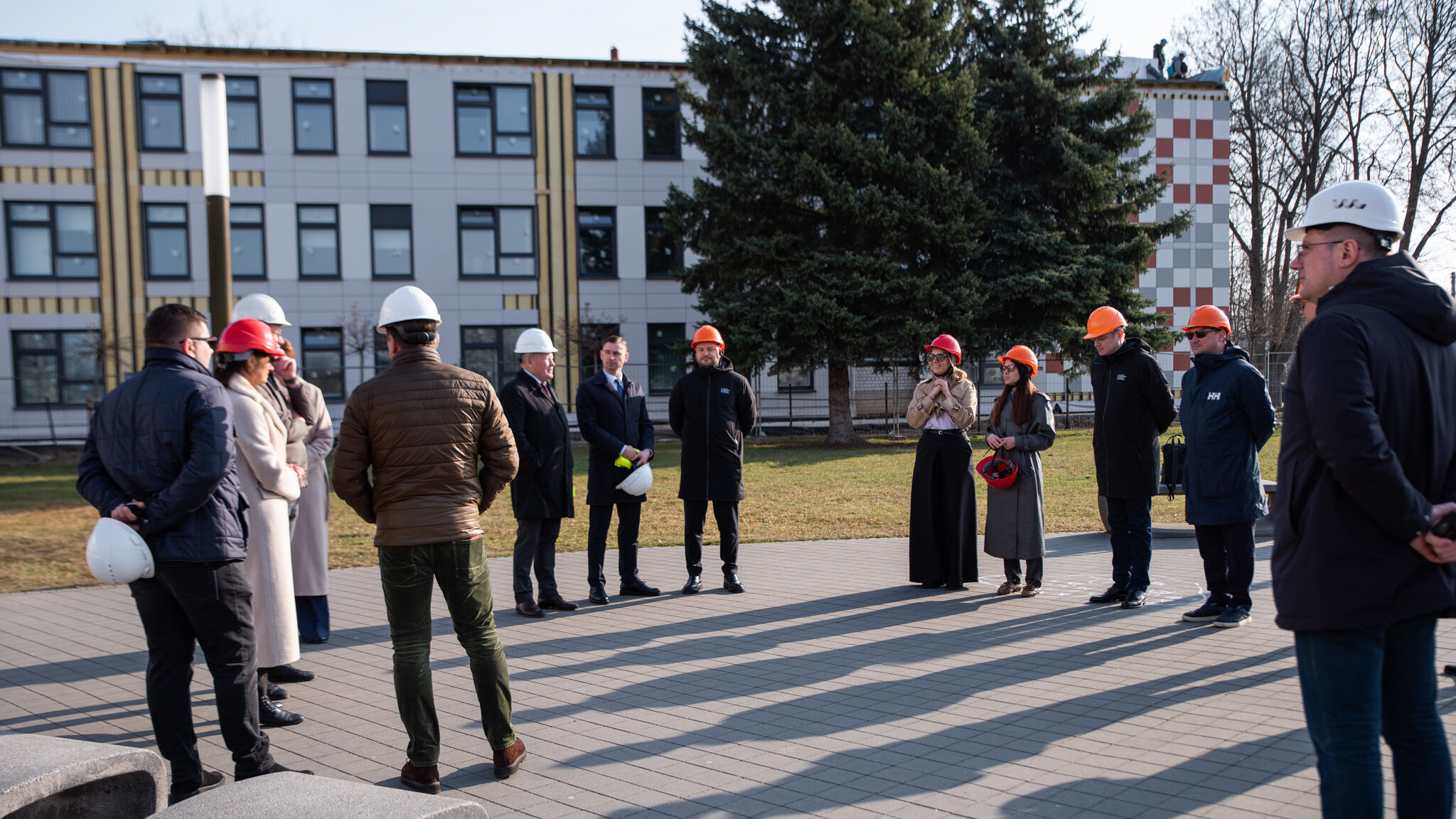
In addition to production, VMG Lignum also operates a planning and development department. One of the company’s latest projects is prefabricated, panel-based elements for building renovation. Grudis sees major potential in the renovation of ageing existing buildings. “We survey the structure using 3D scanning and then break down the geometry into element sizes suitable for production,” he explains. Schools and kindergartens are particularly well suited to these systems because of the short construction time. The wood-based panel manufacturer holds the rights to the system. Production is carried out by selected partner companies, with VMG Lignum acting as the key supplier of LVL and structural particleboard.
According to Grudis, target markets for the system, which was certified in Lithuania in 2025, are the Baltic states as well as Germany. “Because of the higher value added, the longer transport distance is worthwhile here,” says the VMG Lignum CEO. The renovation of two pilot projects is currently being implemented in Lithuania.
We would like to thank Holzkurier and Jakob Wassermann for the interview and the opportunity to share VMG Lignum’s perspective on the industry and its key markets.